A Guide to Creating DIY Escape Room Challenges
Escape rooms have surged in popularity over the past few years as a fun and engaging way to spend time with friends or colleagues. However, creating your own DIY escape room can provide a unique twist. This guide will explore the steps needed to craft an immersive escape room experience in your own home, enhancing group participation and engagement.
Understanding the Basics
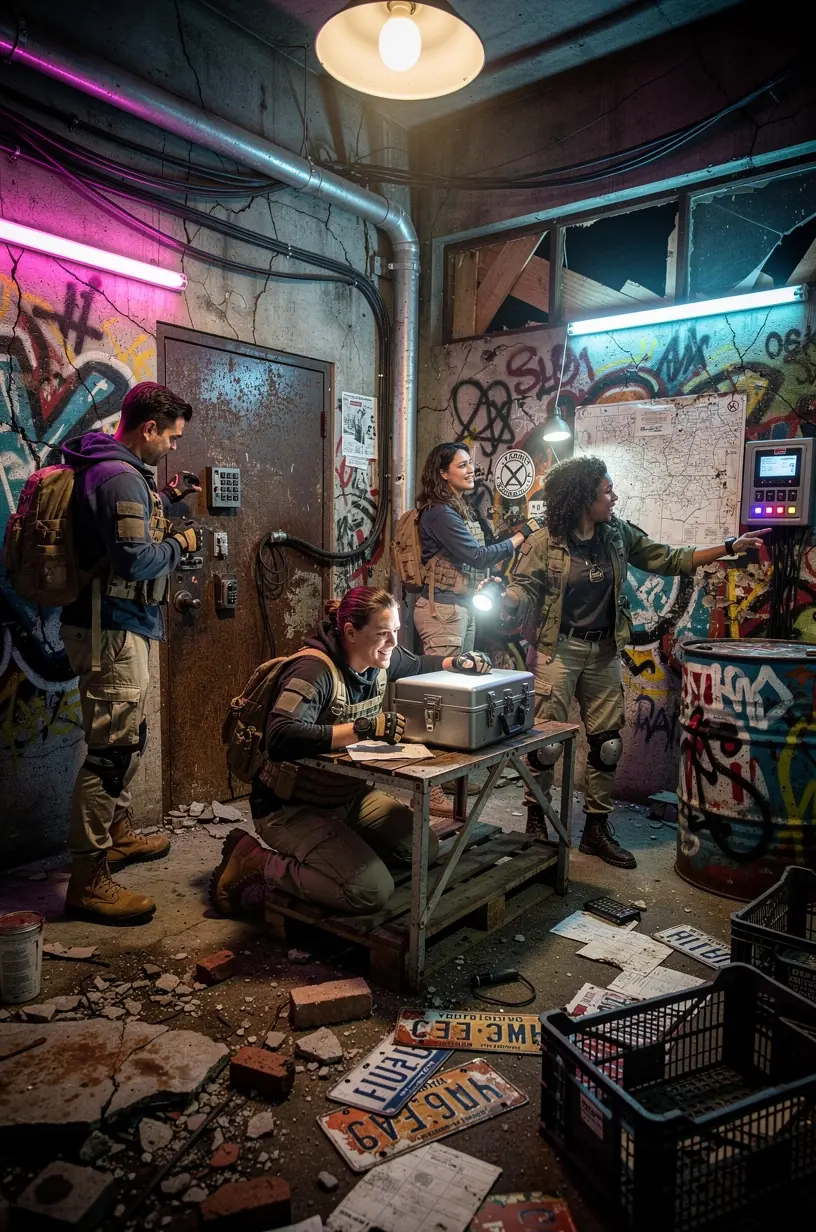
Creating a DIY escape room involves combining storytelling, puzzles, and teamwork. According to industry experts, well-crafted escape room challenges typically engage participants better when they incorporate a strong narrative and a variety of puzzles. This engagement can lead to improved teamwork skills, as participants must collaborate to solve challenges and progress through the game.
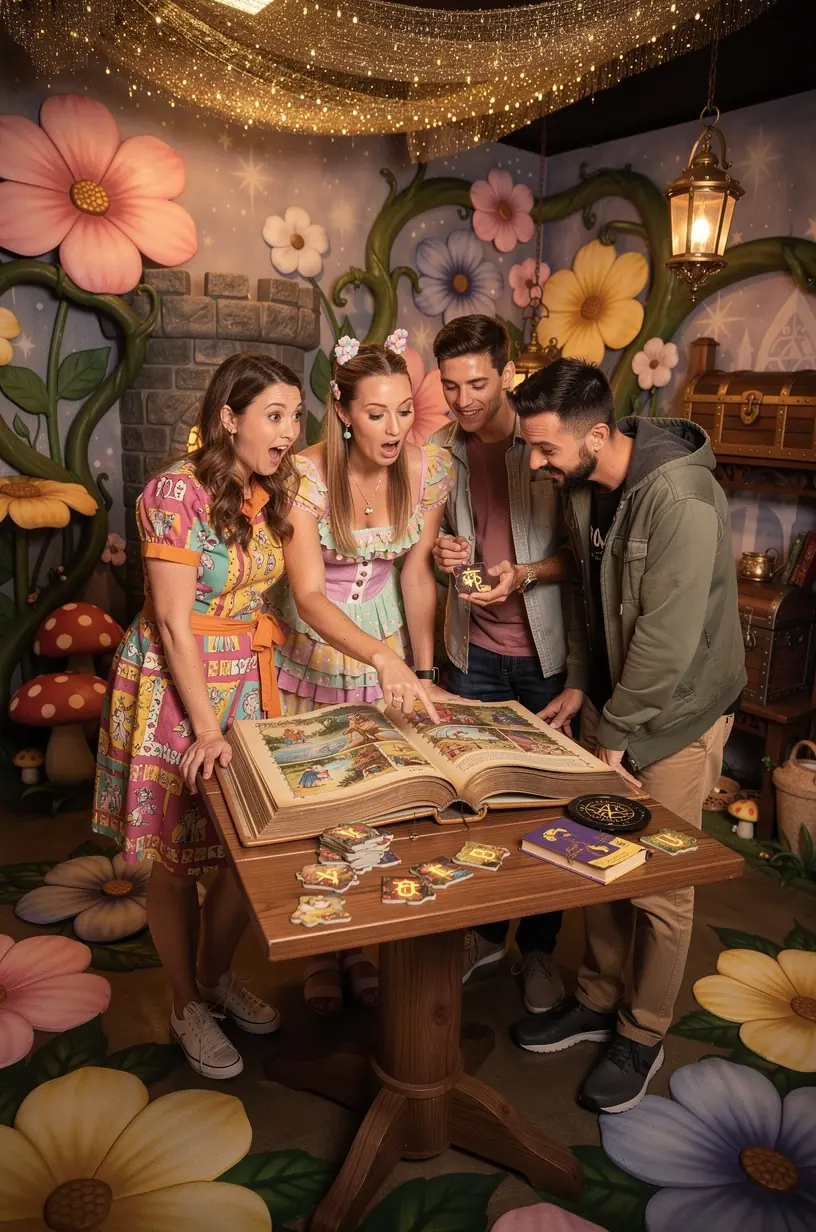
"The key to a successful escape room is not only the puzzles but also the narrative that ties them together, creating an immersive experience for participants." - Escape Room Designer
Planning Your Escape Room
Before diving into the creation process, it’s essential to outline a plan. Here are some key steps to consider:
- Choose a Theme: This can be anything from a detective mystery to a medieval quest. Research shows that participants often enjoy themes that resonate with their interests.
- Design the Storyline: Your storyline should incorporate a beginning, middle, and end. The narrative will guide participants through the challenges, making it more engaging.
- Develop Puzzles: Puzzles should match the theme and vary in difficulty. Experts recommend including a mix of logic puzzles, physical challenges, and riddles to cater to different skill sets.
Creating the Environment
Setting the scene is crucial for immersion. Here are some practical tips:
- Decorate Accordingly: Use props and decorations that align with your theme. This could involve simple items like colored paper or more intricate props found at local thrift stores or online marketplaces.
- Lighting and Sound: Incorporating dim lighting or ambient sounds can enhance the atmosphere. Research indicates that environments that feel more realistic can significantly impact participant engagement.
- Space Layout: Design the physical layout of the escape room to facilitate movement and interaction. Ensure there's enough space for participants to work together without feeling cramped.
Test and Refine Your Challenge
After setting up your escape room, it’s essential to test the challenges to ensure they are fun and solvable. Invite a small group to experience it and gather feedback, as many users report that adjustments based on participant responses can elevate the overall experience. Factors to consider include:
- Are the puzzles too easy or too hard?
- Does the storyline flow logically?
- Is the space conducive to teamwork?
Conclusion
Creating a DIY escape room can be a rewarding and fun project that fosters teamwork and creativity. By following these steps and incorporating feedback from participants, you can develop an engaging and immersive experience that may even rival commercial escape room centers. Remember to allow for time in the planning and testing phases, as a successful escape room typically requires thoughtful design and careful consideration of participant dynamics.
Learn More