The Evolution of Escape Room Themes Over Time
Escape rooms have gained immense popularity as immersive experiences, often bringing friends and family together for an engaging challenge. This article explores how escape room themes have developed over time, reflecting shifts in cultural trends and participant preferences.
Understanding the Basics of Escape Room Themes
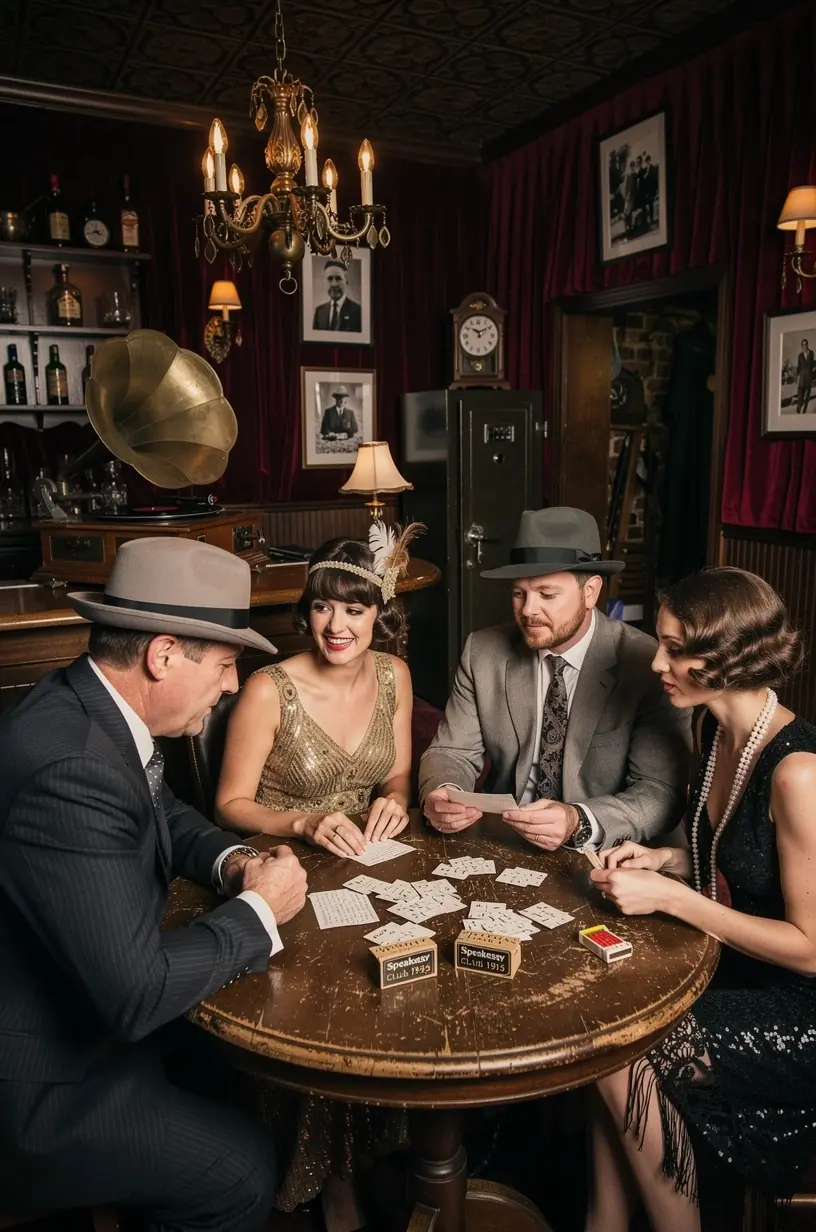
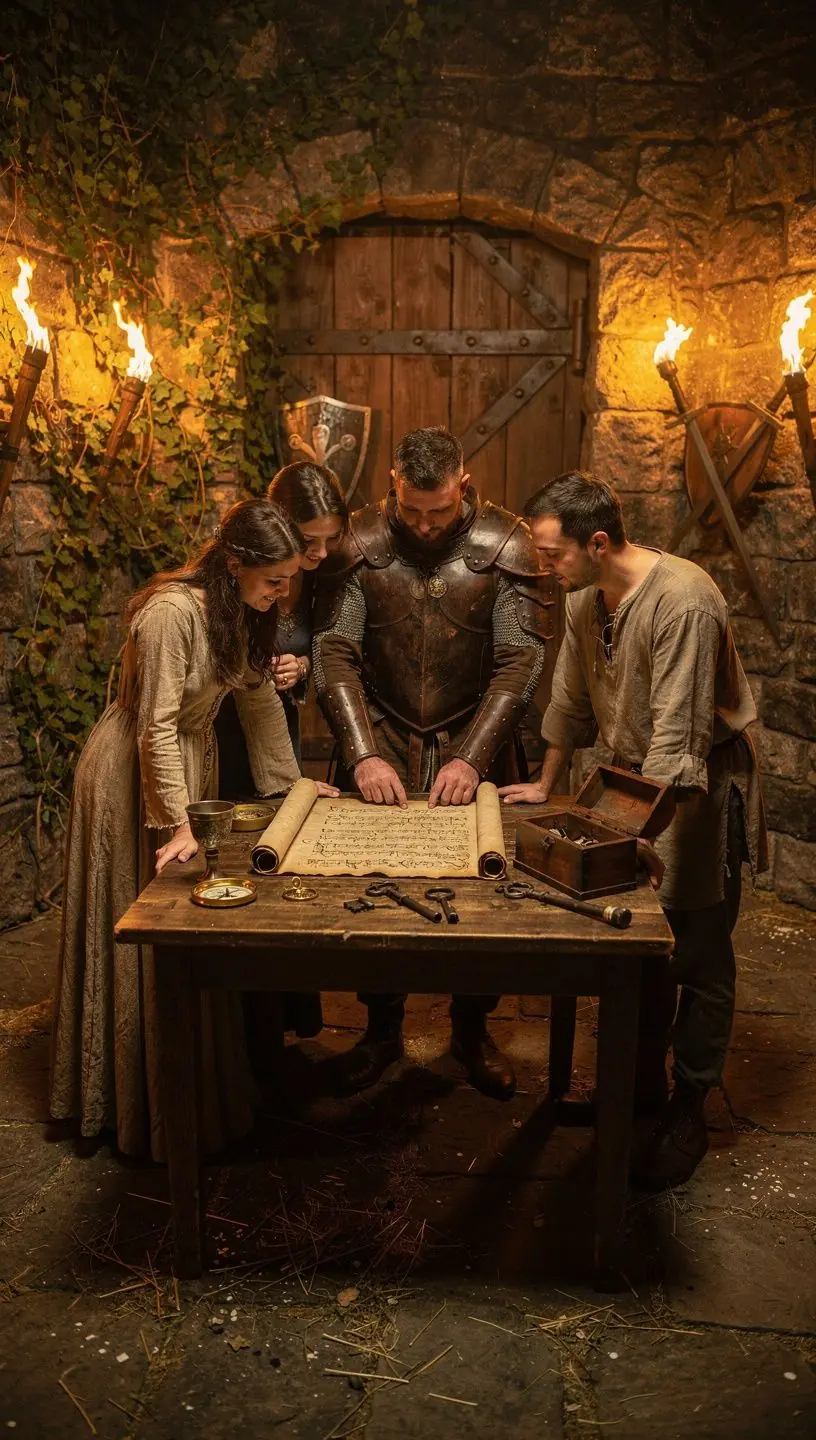
Escape rooms typically involve participants solving puzzles and finding clues to "escape" from a themed scenario within a set timeframe. According to industry experts, the themes of these rooms have evolved significantly since their inception in the early 2000s. Initially, many rooms focused on straightforward mystery scenarios, often inspired by crime or investigations. However, as the market matured, so did the creativity behind these themes.

"Themed scenarios are essential for creating immersive experiences that enhance participant engagement and enjoyment." - Escape Room Industry Expert
Thematic Evolution Through the Years
As escape rooms gained traction, operators began to experiment with various themes to attract a broader audience. Some notable trends include:
- Adventure and Exploration: Many escape rooms now incorporate elements of adventure, taking participants through jungles, ancient ruins, or even outer space. Research indicates that these themes tend to stimulate curiosity and excitement, enhancing the overall experience.
- Horror and Thriller: Horror-themed rooms have become increasingly popular, often drawing from popular media and folklore. These rooms can create a heightened sense of urgency and suspense, leading to an adrenaline-fueled experience. However, it’s important to note that not all participants enjoy horror themes, and operators should consider this when designing their offerings.
- Fantasy and Sci-Fi: Themes that delve into fantasy or science fiction, such as magical realms or dystopian futures, invite participants to step into worlds beyond reality. Many users report that these immersive scenarios allow for greater creativity in puzzle design, often leading to a more enjoyable experience.
Adapting to Audience Preferences
Escape room operators have learned to adapt their themes based on audience feedback and societal trends. For instance, during the height of the pandemic, many centers began offering virtual escape room experiences, often incorporating themes that could be enjoyed from home. This evolution demonstrates how the industry is responsive to external factors, aiming to maintain engagement while ensuring safety.
"The ability to adapt themes and experiences based on current events is crucial for the longevity of escape room businesses." - Industry Analyst
Conclusion: The Future of Escape Room Themes
The evolution of escape room themes is a reflection of changing cultural dynamics and participant preferences. As the industry progresses, we can expect to see even more innovative and diverse themes that cater to various demographics. Operators are encouraged to stay informed about trends and to actively seek feedback from participants to refine their offerings. Ultimately, the goal remains the same: to create engaging, immersive experiences that foster connection and fun among participants.
Learn More