The Impact of Group Participation on Problem-Solving Skills
Escape rooms have become increasingly popular in recent years, not only as a form of entertainment but also as a tool for enhancing group dynamics and problem-solving skills. This article explores how participating in an escape room can contribute to the development of these essential skills.
Understanding the Basics of Group Participation
When individuals participate in group activities, such as escape rooms, they engage in collaborative problem-solving. According to research from the Journal of Educational Psychology, collaborative learning can improve communication skills and foster critical thinking. Participants often rely on each other’s strengths, which can lead to more effective problem-solving outcomes.

"Collaborative environments can enhance learning and retention, often leading to more innovative solutions." - Educational Researcher
How Escape Rooms Enhance Problem-Solving Skills
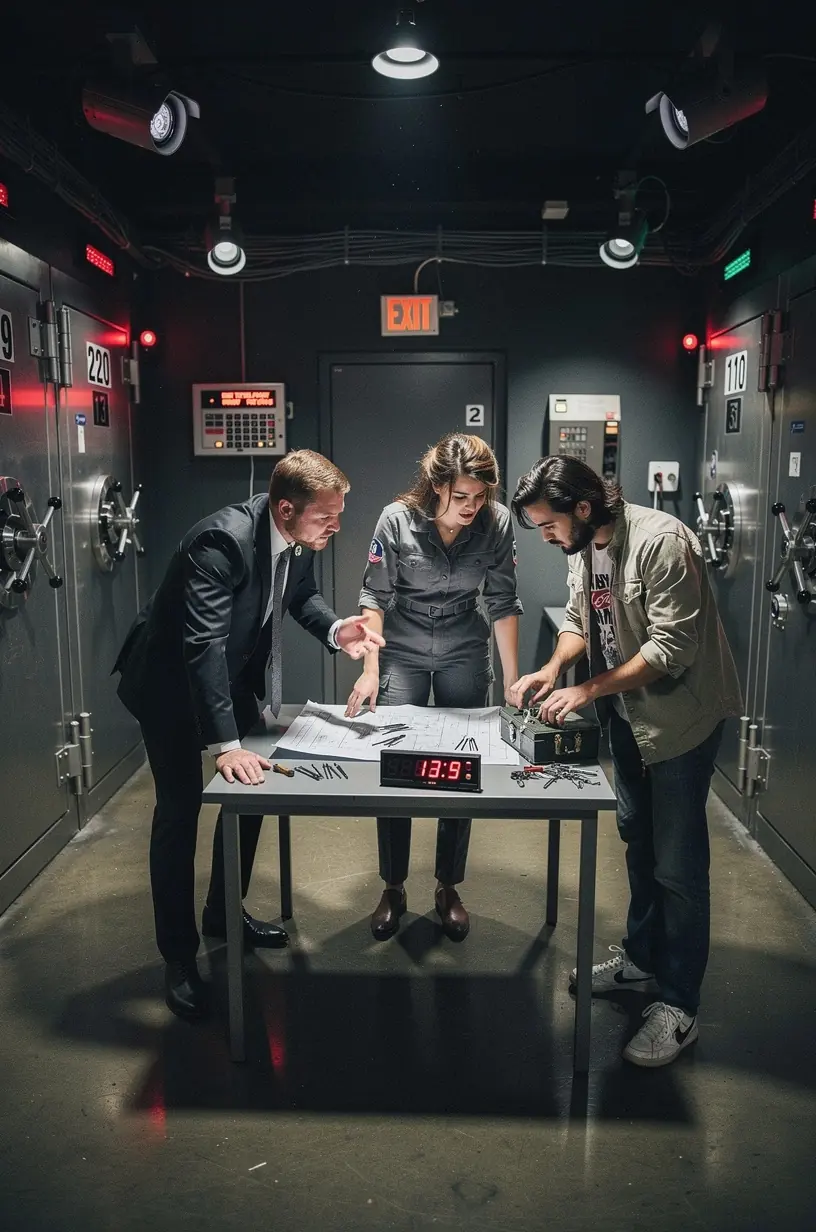
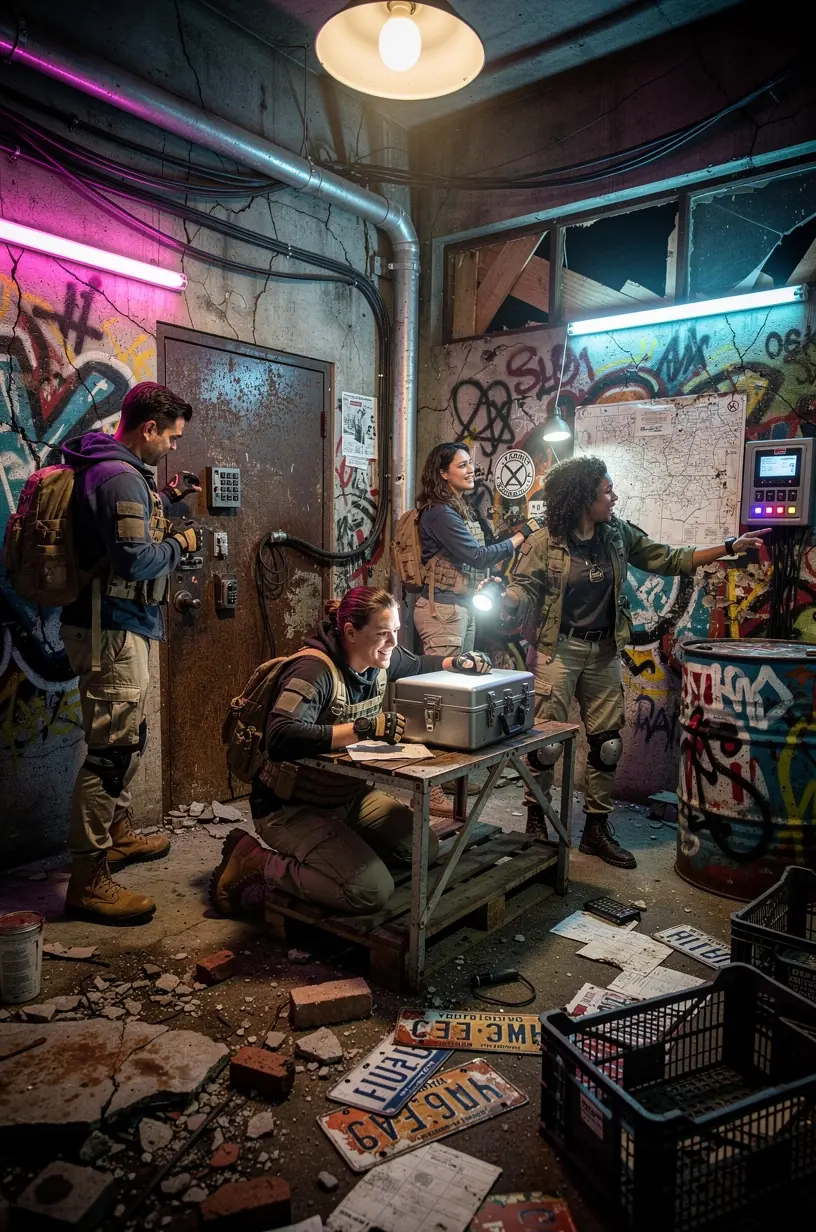
Escape rooms typically involve a series of puzzles and challenges that require teamwork to solve. Here are some ways group participation in escape rooms can enhance problem-solving skills:
- Encouraging Diverse Perspectives: Each team member brings unique skills and insights. Research indicates that diverse teams are often more effective in generating solutions, as they can approach problems from various angles.
- Promoting Communication: Effective communication is crucial in escape rooms. Participants must share ideas and feedback continually, which can improve their ability to articulate thoughts clearly and listen actively.
- Building Trust and Collaboration: According to industry experts, trust among team members is essential for effective collaboration. Escape rooms foster this trust by requiring participants to rely on one another, leading to a sense of camaraderie.
Realistic Expectations and Limitations
While escape rooms can be beneficial for improving problem-solving skills, it’s important to acknowledge certain limitations:
- The experience typically lasts 60 minutes, which may not be sufficient for all participants to fully develop their skills.
- Each member must be open to collaboration; those resistant to teamwork may find the experience less effective.
- Escape rooms may require prior knowledge of specific puzzles or themes, which can influence the overall experience and learning outcomes.
Conclusion
Participating in escape rooms can serve as an engaging and effective way to enhance problem-solving skills through group participation. By fostering communication, collaboration, and diverse perspectives, these immersive experiences offer valuable lessons in teamwork. However, participants should set realistic expectations regarding the skills they may develop and the time required to see improvements. Embracing the collaborative spirit of escape rooms can lead to meaningful growth both personally and collectively.
Learn More