Understanding the Role of Puzzles in Immersive Experiences
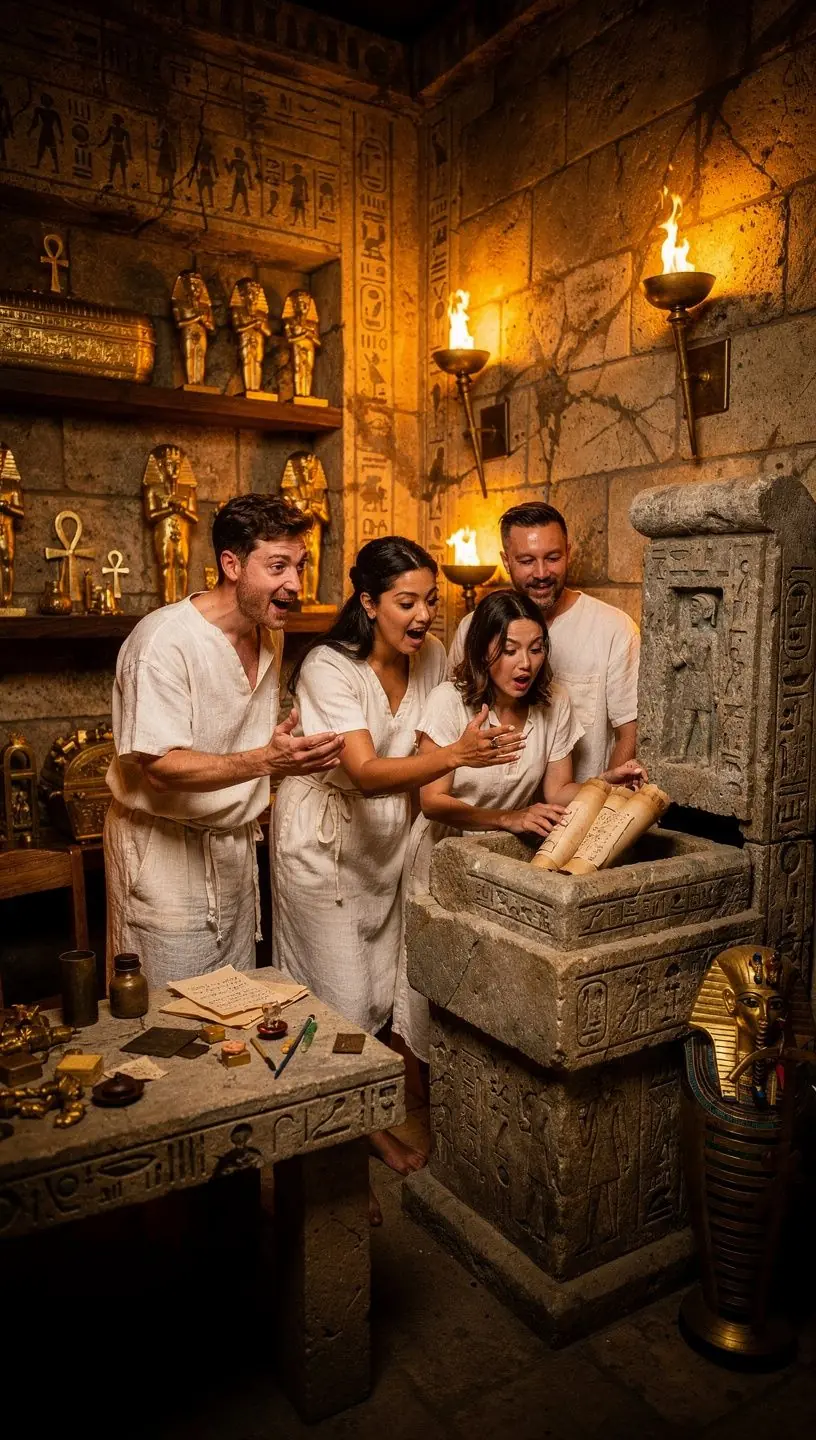
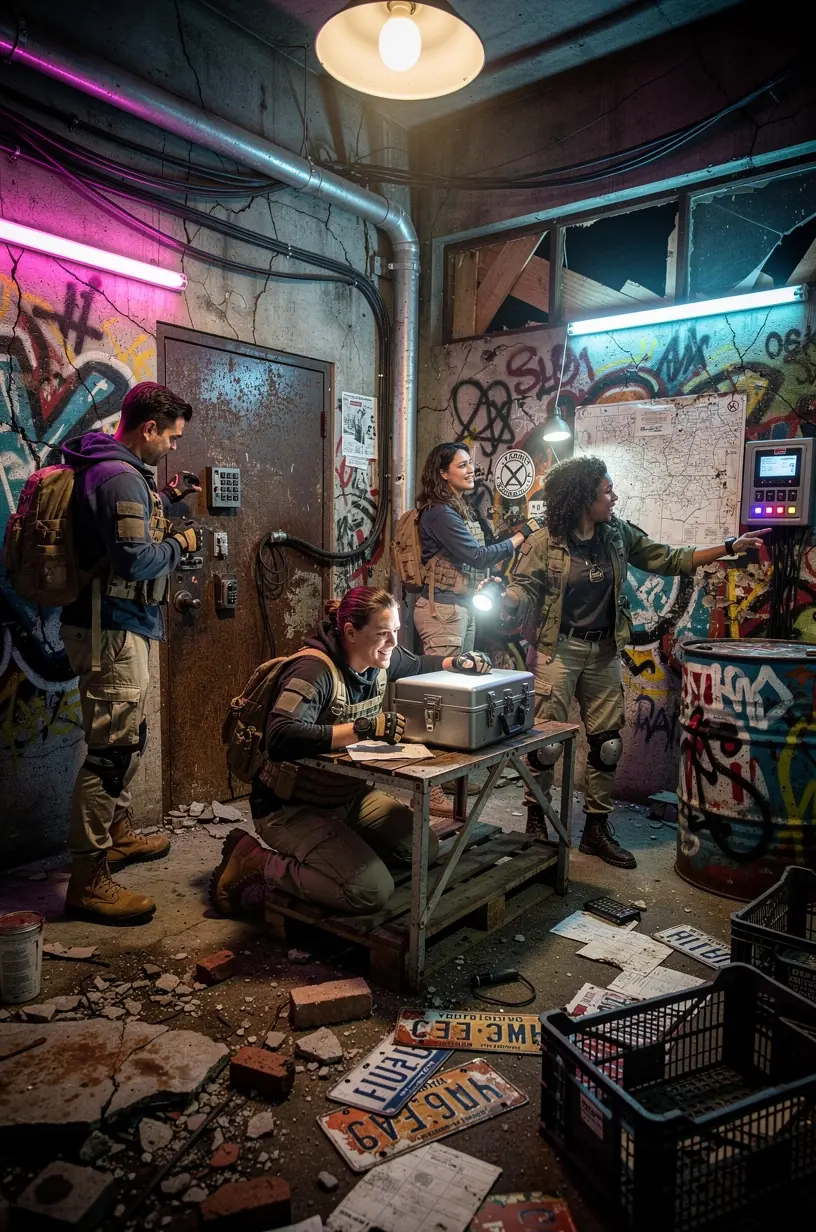
Escape rooms have gained popularity in recent years as a unique way to engage in group activities and team-building exercises. Central to these experiences are puzzles, which not only challenge participants but also enhance the immersive aspect of the quest. In this article, we will explore the significance of puzzles within escape rooms, how they function, and the psychological benefits they provide.
Understanding the Basics
Puzzles in escape rooms serve as the backbone of the immersive experience. According to research, participants often report a sense of achievement when solving puzzles, which enhances their overall satisfaction with the experience. The principle behind this lies in the challenge-response mechanism, where individuals are motivated to engage more deeply when faced with a problem that requires creative thinking.
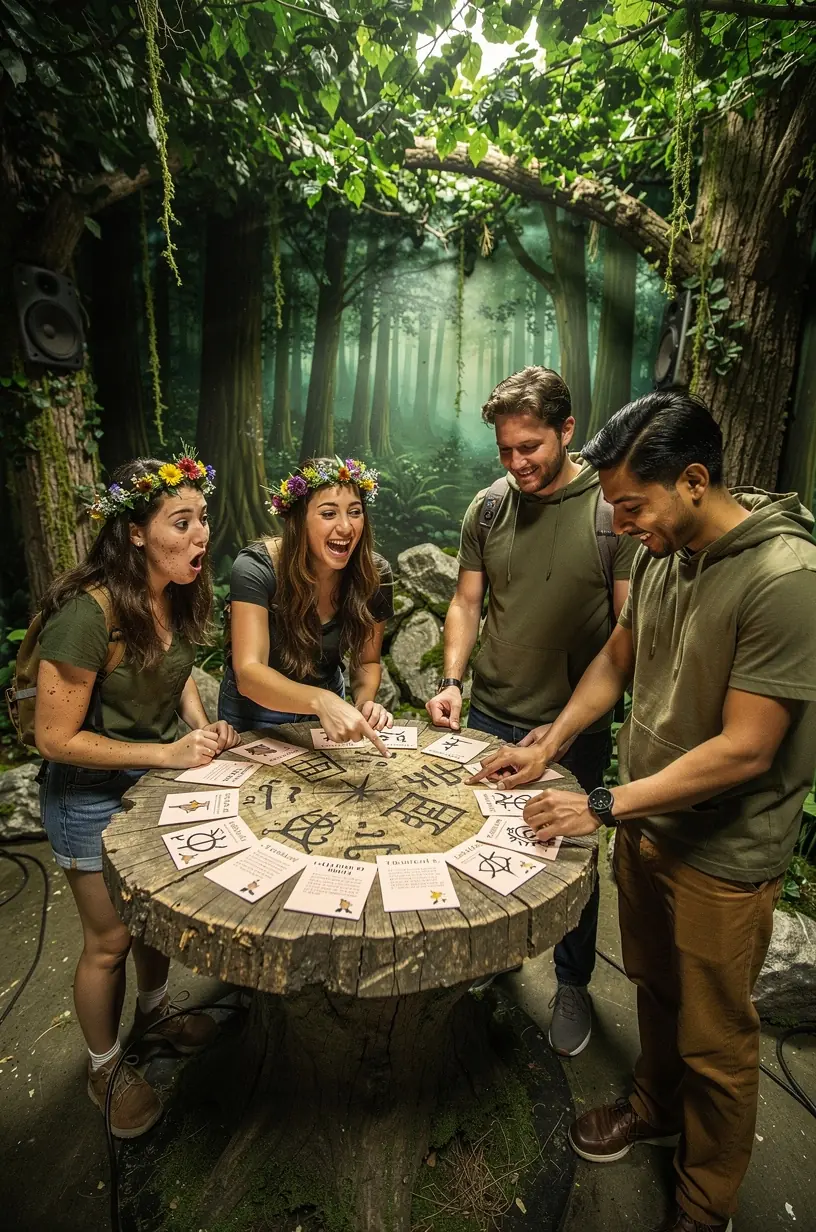
"Puzzles can create a shared sense of purpose and engagement, essential elements for a successful immersive experience." - Industry Expert
The Role of Puzzles in Group Dynamics
Puzzles often encourage collaboration and communication among group members. Studies show that teams that engage in problem-solving together not only increase their interpersonal skills but also strengthen their collective bond. This social interaction is vital, especially in an escape room setting where teamwork is essential for success.
Key Benefits of Puzzles
- Enhanced Critical Thinking: Many puzzles require critical thinking and strategic planning, skills that are beneficial in both personal and professional contexts.
- Time Management Skills: Players learn to manage their time effectively, as they must solve puzzles within a set timeframe to escape.
- Improved Communication: Working together to solve complex puzzles fosters communication, allowing participants to express ideas and strategies clearly.
How Puzzles Enhance Immersion
The design of puzzles in escape rooms is typically aligned with the theme of the room, creating a cohesive narrative that participants can engage with. According to industry standards, effective puzzle design often involves the following elements:
- Relevance: Puzzles should be closely tied to the storyline, enhancing the immersive experience.
- Variety: A mix of puzzle types – such as logic puzzles, physical challenges, and riddles – can cater to different skill sets and keep engagement high.
- Progression: Puzzles should escalate in difficulty, allowing participants to feel a sense of accomplishment as they progress through the challenges.
Conclusion
Puzzles are more than mere challenges in escape rooms; they play a critical role in enhancing the overall immersive experience. By combining elements of teamwork, critical thinking, and thematic relevance, puzzles can create a memorable adventure for participants. In most cases, engaging in these activities can lead to improved group dynamics and individual skill development, ultimately contributing to a well-rounded and enjoyable experience. For those considering a visit to an escape room, understanding the value of puzzles can enrich your participation and enhance your enjoyment of the adventure.
Learn More