How Themed Scenarios Enhance Team Dynamics
Themed escape rooms have gained popularity as engaging tools for team-building and enhancing interpersonal dynamics. In this article, we will explore how these immersive experiences can improve collaboration and communication among team members.
Understanding the Basics of Themed Scenarios
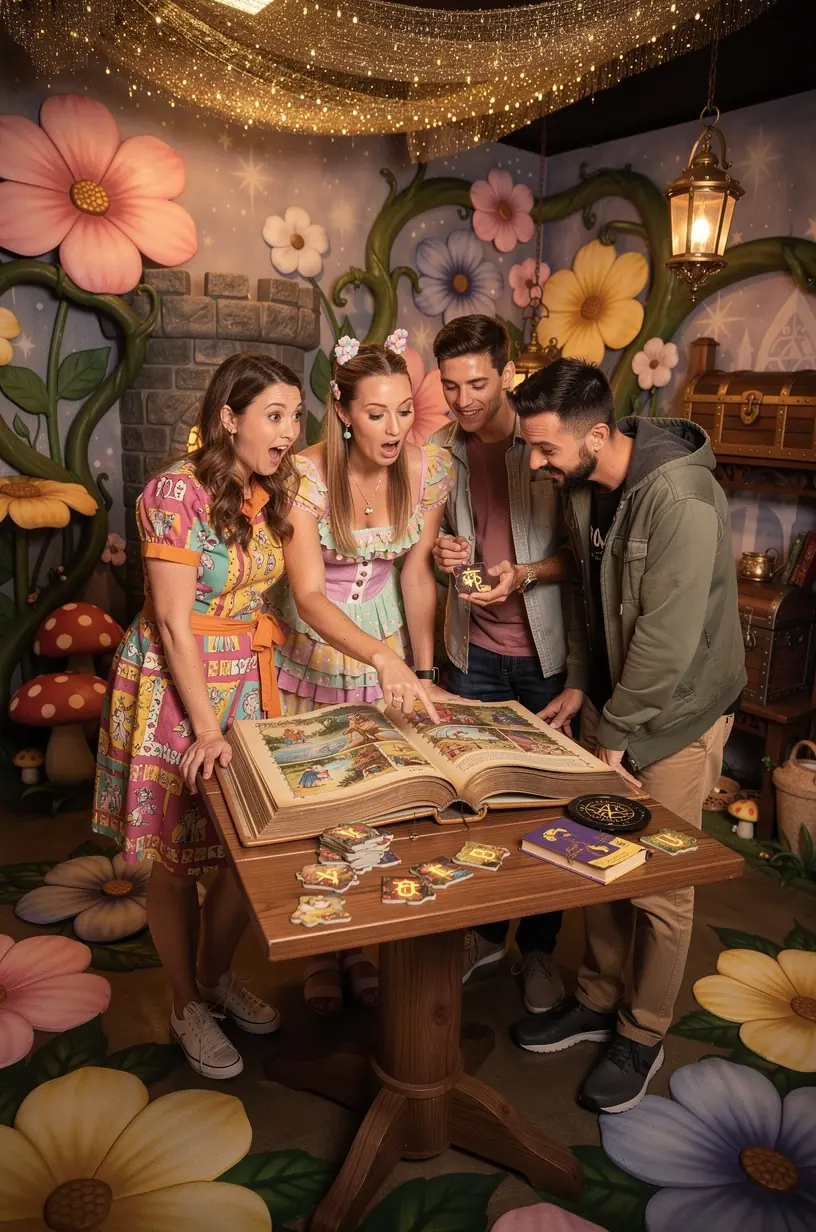
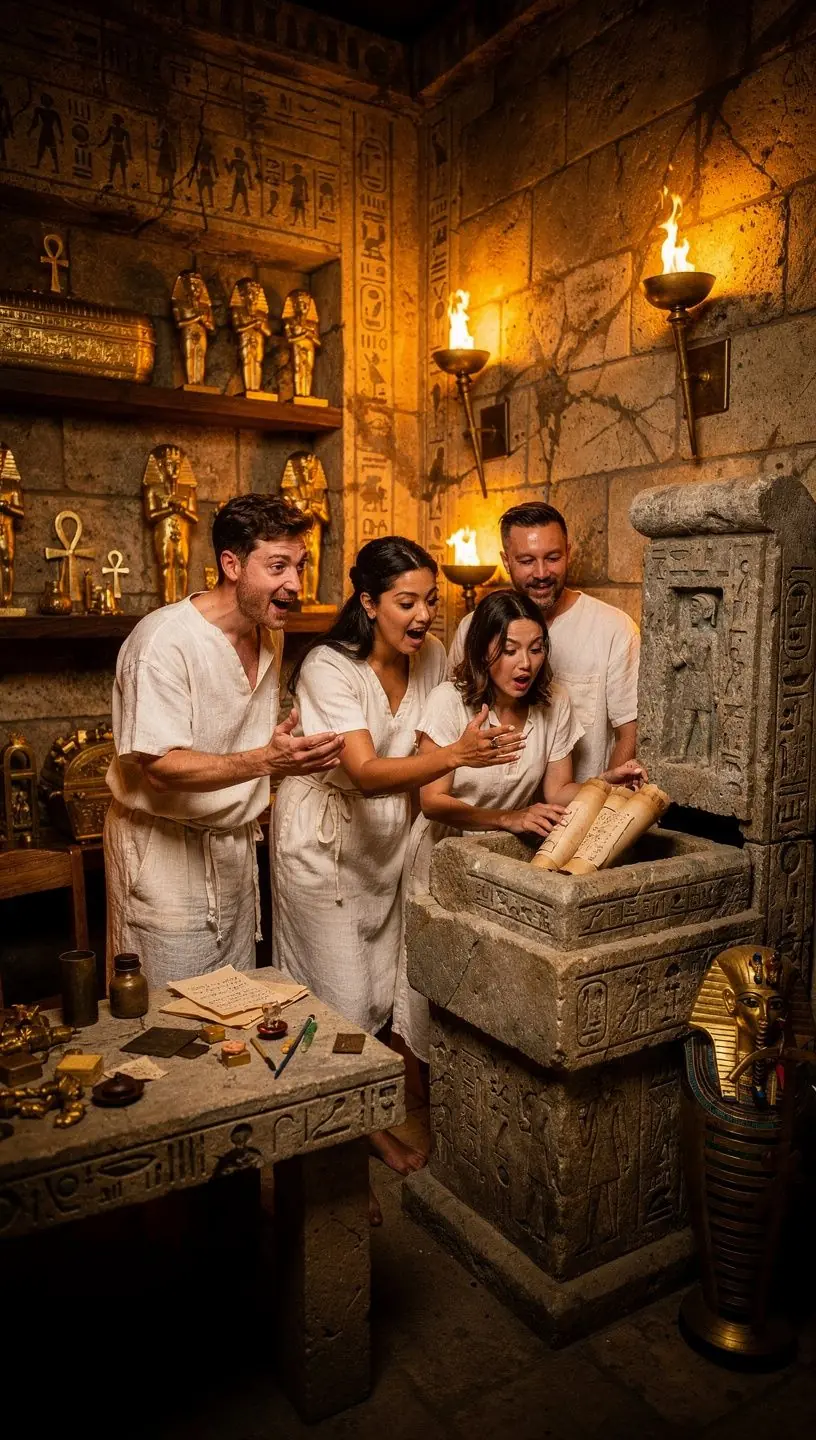
Themed escape rooms offer a unique and interactive environment where participants must work together to solve puzzles and complete challenges within a set time limit. According to studies conducted on team-building activities, environments that promote engagement can lead to improved teamwork and productivity. This works because participants are often more motivated when they are invested in a compelling narrative.
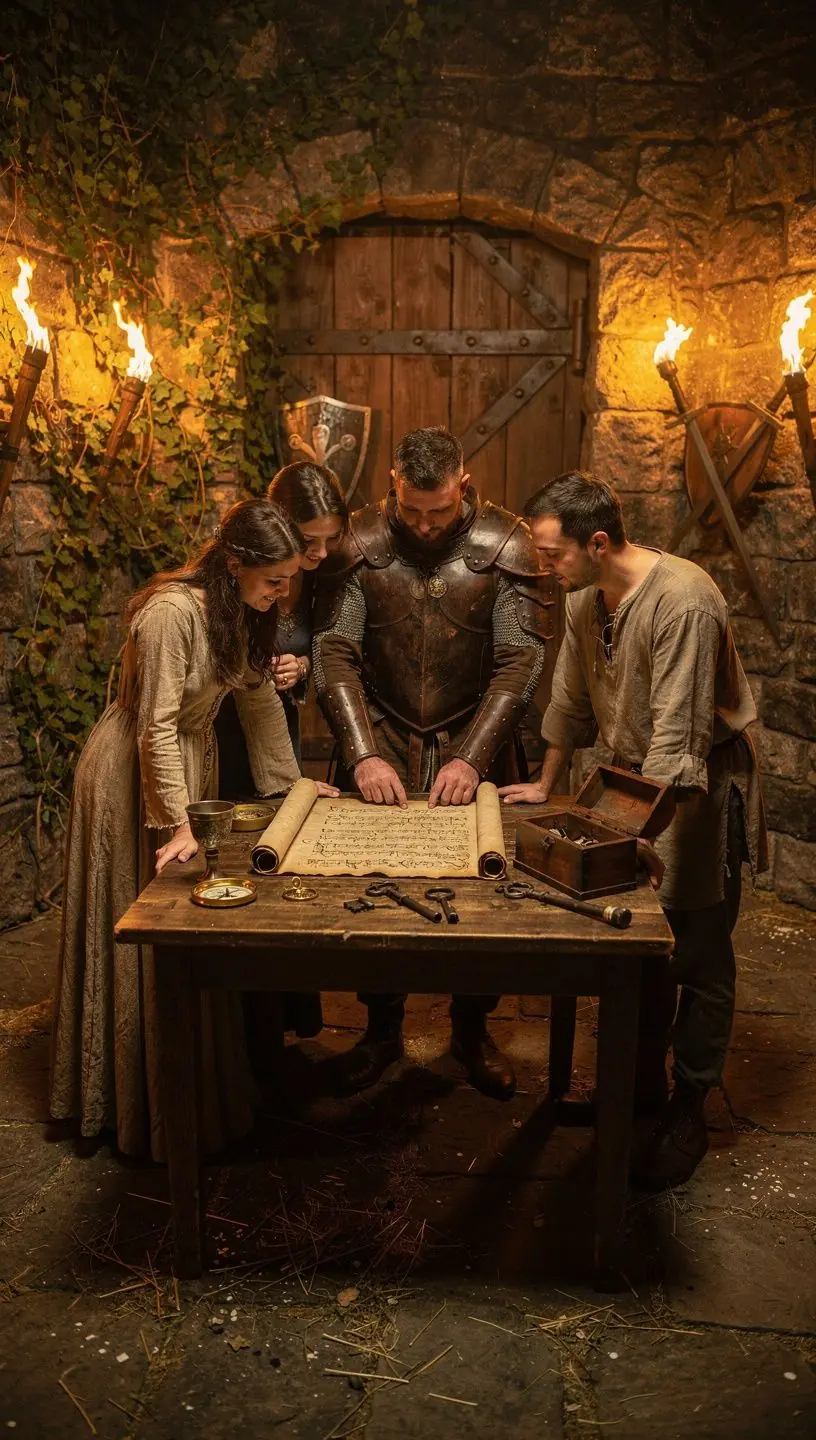
"Research indicates that immersive experiences can enhance emotional connections among team members, leading to improved collaboration in the workplace."
The Psychology Behind Group Participation
Psychological principles suggest that engaging in themed scenarios can foster a sense of belonging and improve team dynamics. When individuals are placed in a collaborative context, they often rely on each other's strengths, which can lead to:
- Increased trust: Participants typically report feeling more comfortable sharing ideas and taking risks as they navigate challenges together.
- Enhanced communication: A shared goal encourages open dialogue, allowing teams to express thoughts and strategies effectively.
- Role identification: Engaging in themed scenarios helps team members discover and utilize unique skills, which can lead to greater role clarity in professional settings.
Practical Application of Themed Escape Rooms
To integrate the benefits of themed scenarios into your team-building efforts, consider the following approaches:
- Choose the right theme: Select a theme that resonates with your team's interests, as this can enhance motivation and engagement.
- Set clear objectives: Define what you aim to achieve from the experience, whether it's improving communication skills or fostering problem-solving abilities.
- Debrief after the experience: Discuss what worked, what didn’t, and how the lessons learned can be applied in the workplace. This reflection helps solidify the benefits gained during the escape room experience.
Challenges and Considerations
While themed escape rooms can be effective, they may not be suitable for every team or situation. Factors to consider include:
- Time commitment: Participating in a themed escape room typically takes 60-90 minutes, plus additional time for debriefing.
- Varied participation levels: Not all team members may be equally enthusiastic about such activities, which can affect group dynamics.
- Potential for conflict: In high-pressure situations, differing personalities may lead to disagreements. It's crucial to create a supportive environment that encourages collaboration.
Conclusion
Themed scenarios in escape rooms serve as valuable tools for enhancing team dynamics. While they can foster trust, communication, and role identification, it’s essential to acknowledge their limitations and choose the right context for use. By focusing on educational outcomes and team goals, organizations can leverage these experiences to promote lasting improvements in workplace collaboration.