Best Practices for Facilitating Group Interaction in Quests
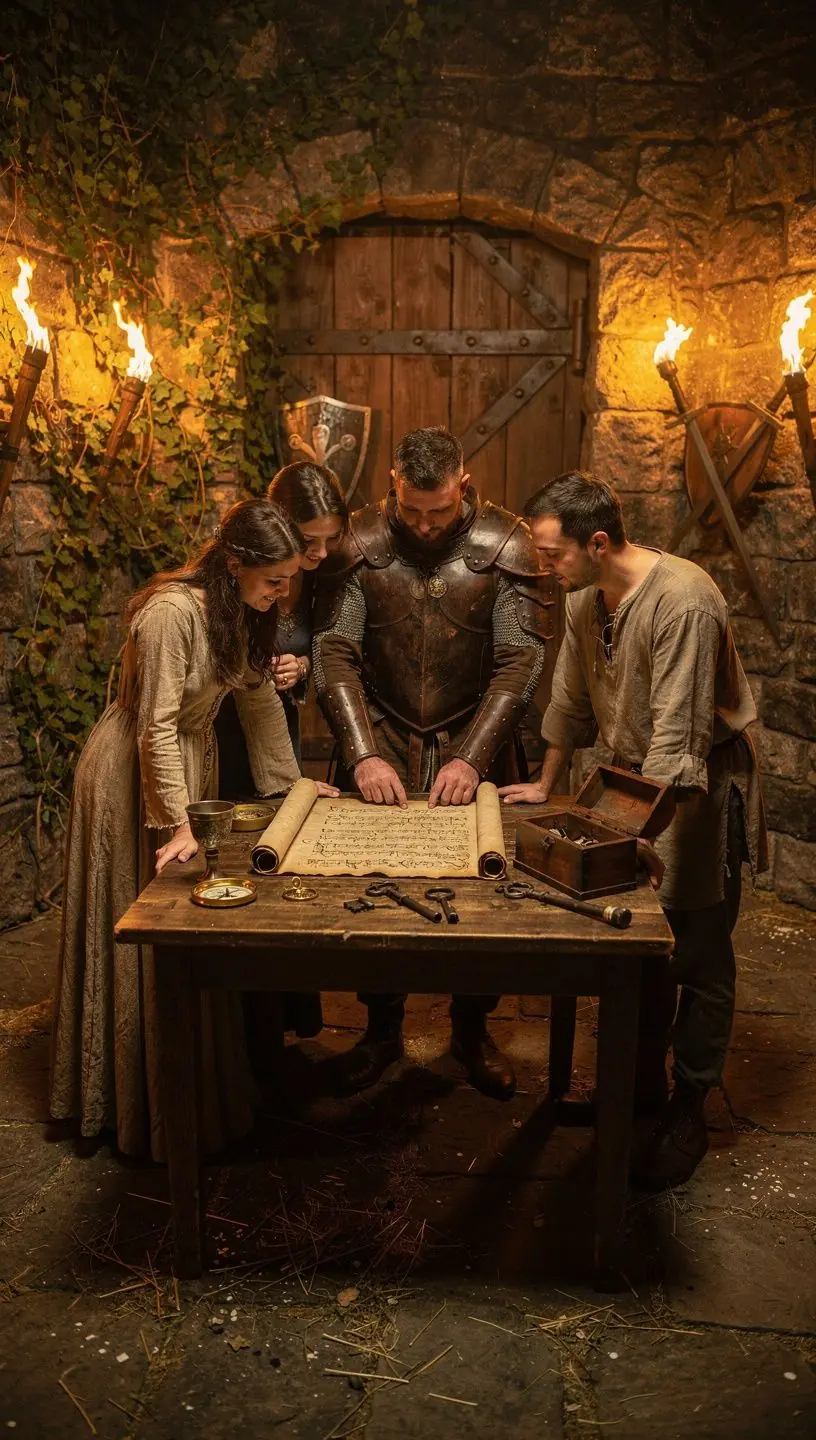
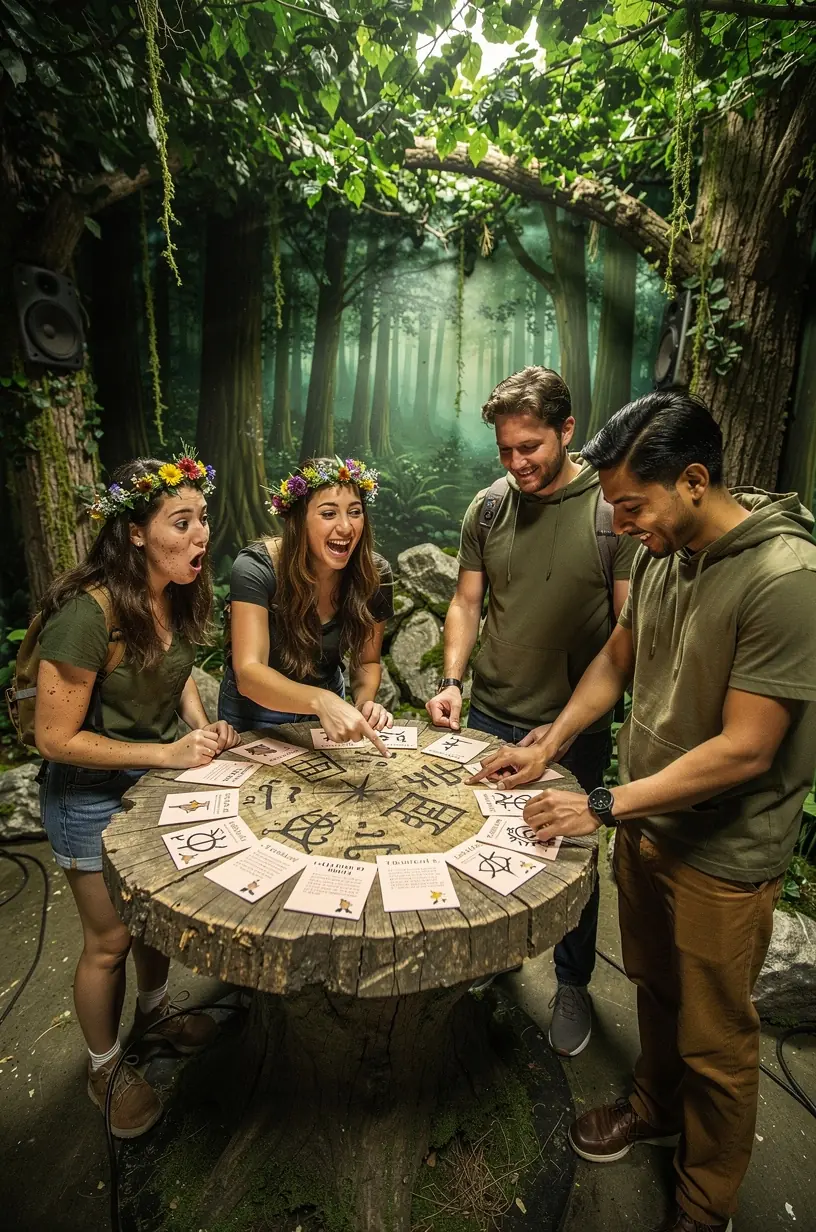
Creating an engaging and immersive escape room experience often hinges on effective group interaction. Understanding how to facilitate this interaction can significantly enhance the overall experience for participants. In this article, we will discuss practical strategies and insights based on industry standards that can help improve group dynamics during quests.
Understanding the Basics of Group Interaction
According to research in social psychology, group interaction is a key component that influences the success of collaborative tasks. In the context of escape rooms, it’s crucial to create an environment where participants feel comfortable sharing ideas and working together. Experts recommend establishing clear roles within the group to facilitate communication and collaboration.

"Effective group interaction can enhance problem-solving abilities and lead to higher satisfaction among participants." - Industry Expert
Practical Application of Group Interaction Techniques
- Encourage Open Communication: Create an environment that promotes sharing. Facilitate discussions by asking open-ended questions that require input from all team members.
- Define Roles: Assign roles based on individual strengths and interests. For instance, one person might take charge of clues, while another focuses on time management. This approach often leads to smoother operations.
- Establish Ground Rules: Set clear expectations at the beginning of the quest. This might include guidelines on how to communicate and solve puzzles collaboratively, which can help avoid confusion and frustration.
Acknowledge Limitations and Set Realistic Expectations
While these strategies can be effective, it’s important to acknowledge that they may require time to implement successfully. Typically, educating participants about these practices may take a few minutes at the start of the quest. Additionally, some groups may not adapt quickly to these methods, especially if they are not accustomed to collaborative problem-solving. According to studies, groups that engage in pre-quest team-building activities often see improved interaction dynamics.
Conclusion
Facilitating group interaction in escape rooms is not just about the puzzles; it’s about creating a cohesive team environment. By encouraging open communication, defining roles, and establishing ground rules, organizers can significantly enhance the participant experience. While these practices may not yield instant results, over time, they can foster a more engaging and successful quest atmosphere. By implementing these evidence-based strategies, escape room centers can better serve their clients and create memorable experiences.