Exploring the Psychology of Escape Room Design
Escape rooms have surged in popularity as immersive experiences that challenge participants to think critically and collaborate effectively. This article delves into the psychology behind escape room design, exploring how themes and group dynamics enhance engagement and problem-solving skills.
Understanding the Basics of Escape Room Psychology
At the core of escape room design lies the understanding of human behavior and interaction. According to studies in psychology, group dynamics play a significant role in how individuals approach challenges. Typically, escape rooms leverage this by creating scenarios where participants must collaborate to solve puzzles and complete tasks.

"The design of an escape room can significantly influence participants' motivation and engagement levels, which are crucial for their overall experience." - Industry Expert
The Role of Themes and Storytelling
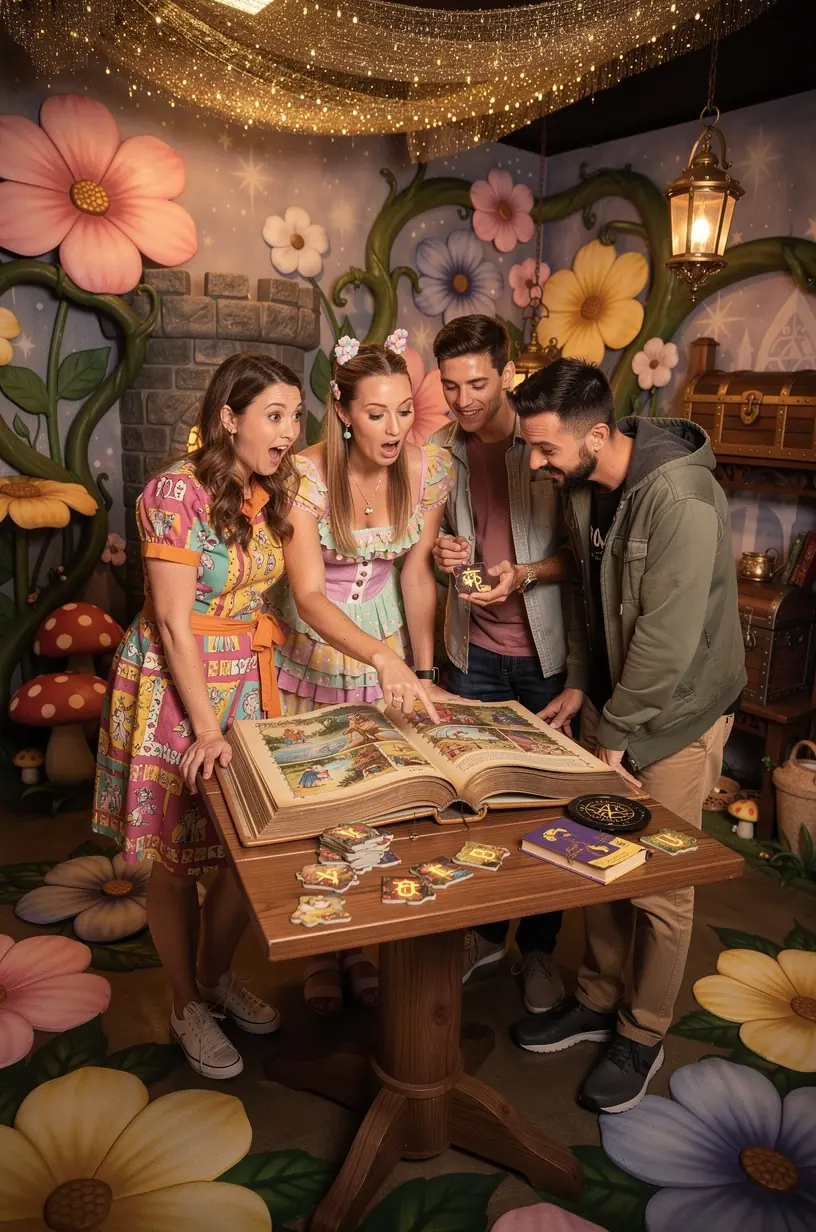
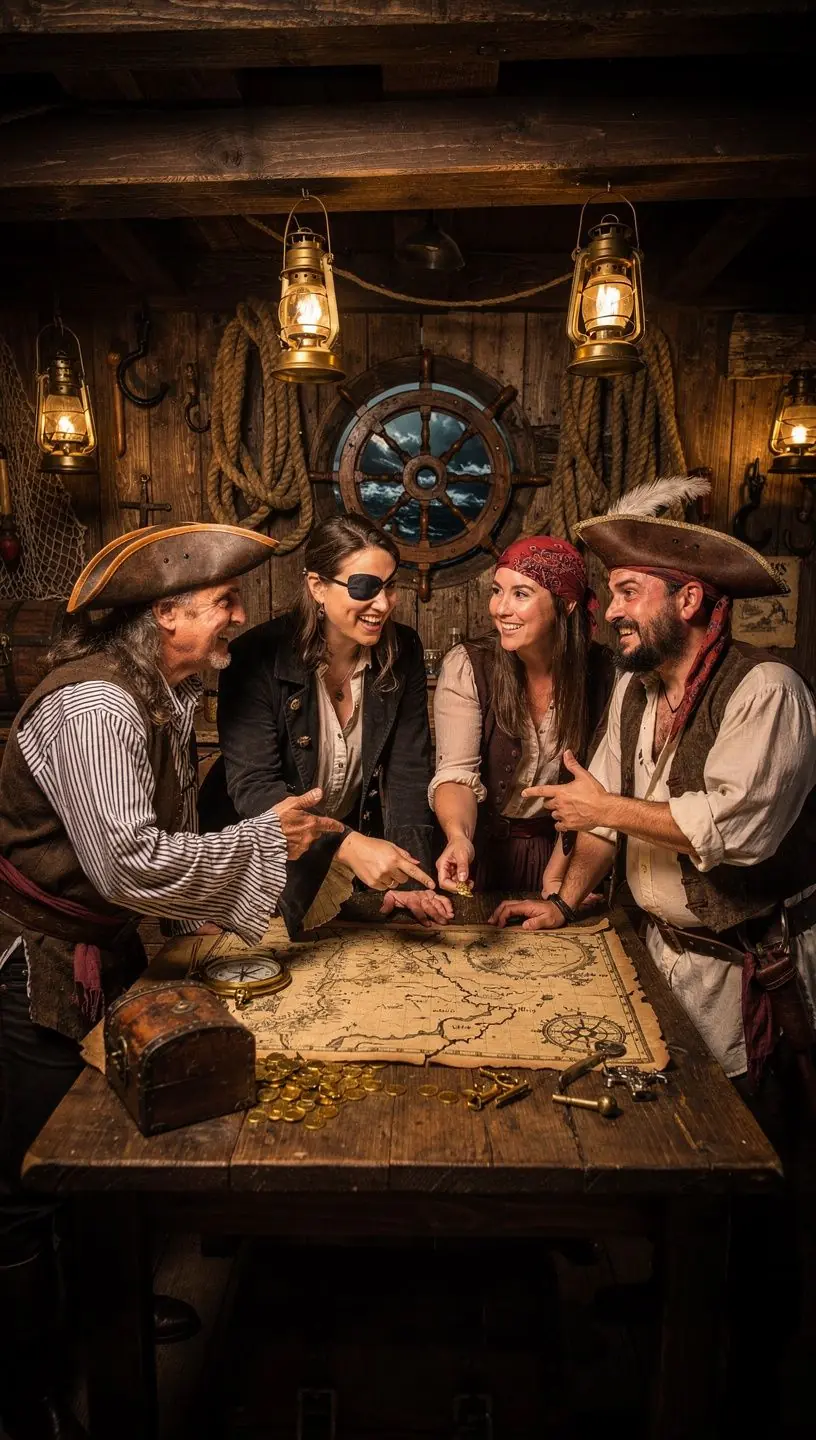
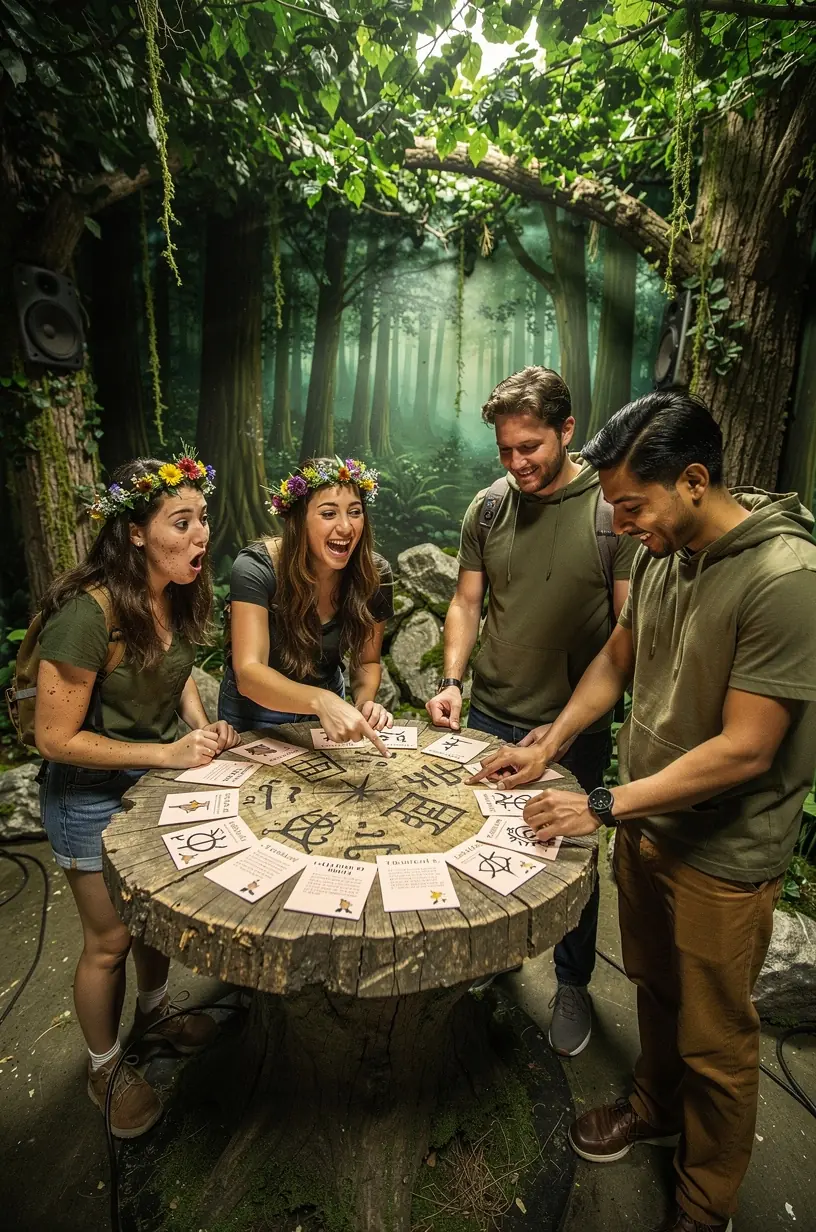
Themes in escape rooms serve not only to entertain but also to enhance cognitive engagement. Research indicates that storytelling can improve recall and emotional investment in activities. When participants are immersed in a narrative, their motivation to engage with the tasks often increases. For instance, a room designed with a mystery theme may lead participants to adopt detective-like thinking, thus influencing their approach to problem-solving.
How Themes Enhance Engagement
- Relatable Scenarios: Themes often draw on familiar cultural references, making the experience more relatable for participants.
- Cognitive Challenge: A well-designed themed room presents puzzles that align with the narrative, enhancing the challenge and satisfaction upon completion.
- Emotional Investment: Engaging stories can elicit emotions that drive participation and persistence in solving puzzles.
Group Participation and Communication
Escape rooms typically require effective communication and teamwork. Experts recommend that well-designed rooms facilitate interactions among team members, encouraging them to share ideas and strategies. This group participation aspect is crucial, as it can lead to improved social skills and conflict resolution, according to research on group dynamics.
Promoting Collaboration
- Task Distribution: Assigning different roles or tasks can help ensure that all members contribute, leveraging their unique strengths.
- Encouraging Dialogue: Rooms that require verbal communication to solve puzzles can enhance participants' interpersonal skills.
- Feedback Mechanisms: Providing ways for team members to offer constructive feedback during the game can foster a collaborative atmosphere.
Acknowledging Limitations
While escape rooms can enhance skills such as critical thinking and teamwork, they may not be suitable for everyone. Participants with certain social anxieties or those who prefer solitary activities might find the experience challenging. It is also essential to consider that escape rooms vary in difficulty; thus, they may not provide the same level of satisfaction for every participant.
Conclusion
Escape rooms offer a unique blend of entertainment and psychological engagement that can foster collaboration, critical thinking, and problem-solving abilities among participants. By understanding the psychology behind their design, escape room creators can craft experiences that not only challenge but also educate participants in a fun, immersive environment. As these experiences continue to evolve, they hold the potential to enhance social interactions and cognitive skills, making them a valuable addition to group activities.
Learn More